
From the latest El Niño signals to Niseko’s own season-end numbers, here’s your guide to a winter in the Aspen of Asia that’s shaping up differently to the last.
The Countdown to Powder Season Begins
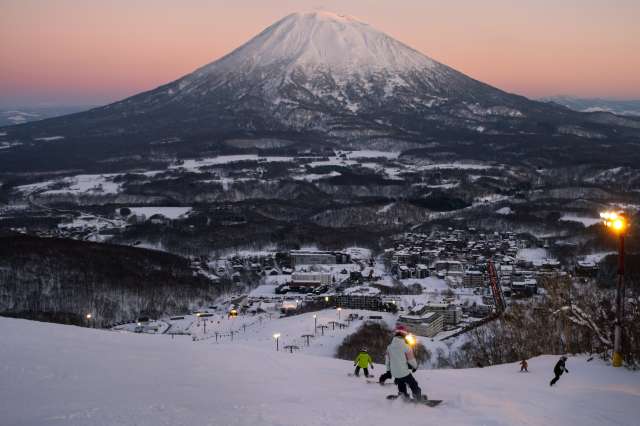
Snow lovers — it’s that time again. The air turns crisp, rooftops frost over, and suddenly every Niseko regular can sense it: winter is just around the corner.
The 2025/26 season ran on a mild La Niña signal and delivered accordingly. The 2026/27 season arrives under the opposite pattern, with forecasters now watching one of the strongest El Niño events on record.
Read next: No Skis Required: The Cool Girls Guide to Winter in Niseko
What to Expect This Winter in Niseko
Niseko still averages well over 10m of snowfall a season, a baseline that even a strong El Niño rarely erases. What’s likely to shift is the shape of the season: a shorter, more concentrated window of prime powder rather than a long, even spread. Here’s a monthly overview of how the season is expected to unfold:
November: The First Flakes
Niseko United has confirmed a village-wide opening of 28 November 2026 across Grand Hirafu, Hanazono, Annupuri and Niseko Village. Early flakes typically arrive before the lifts do, with accumulation building through the month as usual.
December: Winter Locks In
December is when Niseko starts to truly get into its winter gear.
This is where the El Niño signal shows up first. NOAA’s Climate Prediction Center now puts the odds of a very strong El Niño event at over 90 percent through the Northern Hemisphere winter, which tends to soften the Siberian air masses that usually lock in December’s base. Snow is still expected, just not the reliable, near-daily dumps of a typical La Niña December.
By Christmas, most runs are open and the villages — Hirafu, Hanazono, Annupuri, Niseko Village — hum with early-season energy.
January & February: Peak Powder Season
This is the stretch devoted skiers plan their lives around.
January and February bring:
- The deepest snowpack
- The lightest, driest powder
- Near-daily snowfall refreshes
- Ideal temperatures (−2 °C by day, ~−7 °C at night)
The lake-effect mechanism is strongest now, delivering the kind of consistent snow days that make “first tracks” pure powder bliss.
If snow quality sits at the top of your wishlist, this is your golden window.
March: Longer Days, Softer Snow
March is the season’s sweet spot.
El Niño’s fingerprints reappear here. Forecasters flag March and April as more likely to run below average, trimming the long spring tail Niseko is known for. Snowpack should still sit at a respectable few metres, but powder hunters may want to front-load a trip towards January and February this year.
It’s a favourite month for families, new skiers, and anyone who prefers a slightly gentler pace.
April: Spring Skiing, Niseko-Style
Spring arrives, but the mountain doesn’t call it quits just yet.
Higher elevations still hold plenty of snow, and while fresh falls are rarer, conditions remain excellent for sunlit, mellow runs.
This year, Grand HIRAFU and Annupuri plan to stay open until May 5, 2027 — right into Golden Week — offering the magical possibility of cherry blossoms and snow in a single trip.
Winter dates to remember: One, Two, Ski: The Official Opening Dates of Niseko and Furano Ski Resorts
Historical Snowfall in Niseko: A Powder Legacy
.jpg)
Niseko isn’t merely snowy — it’s one of the snowiest inhabited places on Earth.
Over the last decade, annual snowfall at village level consistently hits 10–15 metres.
Typical peak depths:
- 200–300 cm in January
- Up to 400 cm in February
A quick comparison with Hakuba highlights Niseko’s consistency:
| Season | Niseko | Hakuba |
| 2025/26 | 1,350 cm | to confirm |
| 2024/25 | 1,283 cm | 782 cm |
| 2023/24 | 1,190 cm | 561 cm |
| 2022/23 | ~ 1,400 cm | 444 cm |
| 2021/22 | 1,135 cm | 584 cm |
Even in milder winters, Niseko rarely falters — geography does the heavy lifting.
Why Niseko Gets So Much Snow: The Science of Japow
Niseko’s famously feather-light powder comes from a blend of geography, ocean currents, and atmospheric choreography.
1. The Siberian High & Sea of Japan Effect
Dry, icy air from Siberia sweeps across the warmer Sea of Japan, absorbs moisture, and releases it as fine, dry snow over western Hokkaido.
This mechanism is strongest from December-February, explaining the season’s reliability.
2. Northwest Pacific Low-Pressure Systems
Occasional multi-day storms add dramatic accumulations. Locals call this “NW flow” — and it usually means a powder reset is imminent.
3. Freezing-Level Shifts
With the village at ~300 m and the summit at ~1,200 m, freezing levels dictate snow texture:
- Below 500 m → ultra-dry powder
- Above 800 m → heavier snow around the base
4. Mountain Orientation & Microclimates
Hirafu and Annupuri, facing southwest toward incoming storms, often receive the heaviest totals. Niseko Village sits slightly sheltered, creating subtle differences in snowfall character.
5. Seasonal Climate Patterns
This is the section that has moved most this year. NOAA’s Climate Prediction Center puts the chance of a very strong El Niño event at over 90 percent through winter 2026/27, with sea surface temperatures tracking towards some of the highest on record. A strong El Niño typically means a weaker Siberian High and less reliable powder resets at the shoulders of the season. The mid-winter window of January and February tends to hold up better than December or the spring tail, so it’s worth planning around that.
Base yourself: Onsen, Pools and Saunas: 6 Of The Best Wellness Properties In Niseko
A Powder Perfect Getaway with The Luxe Nomad
1. Stay Close to the Slopes
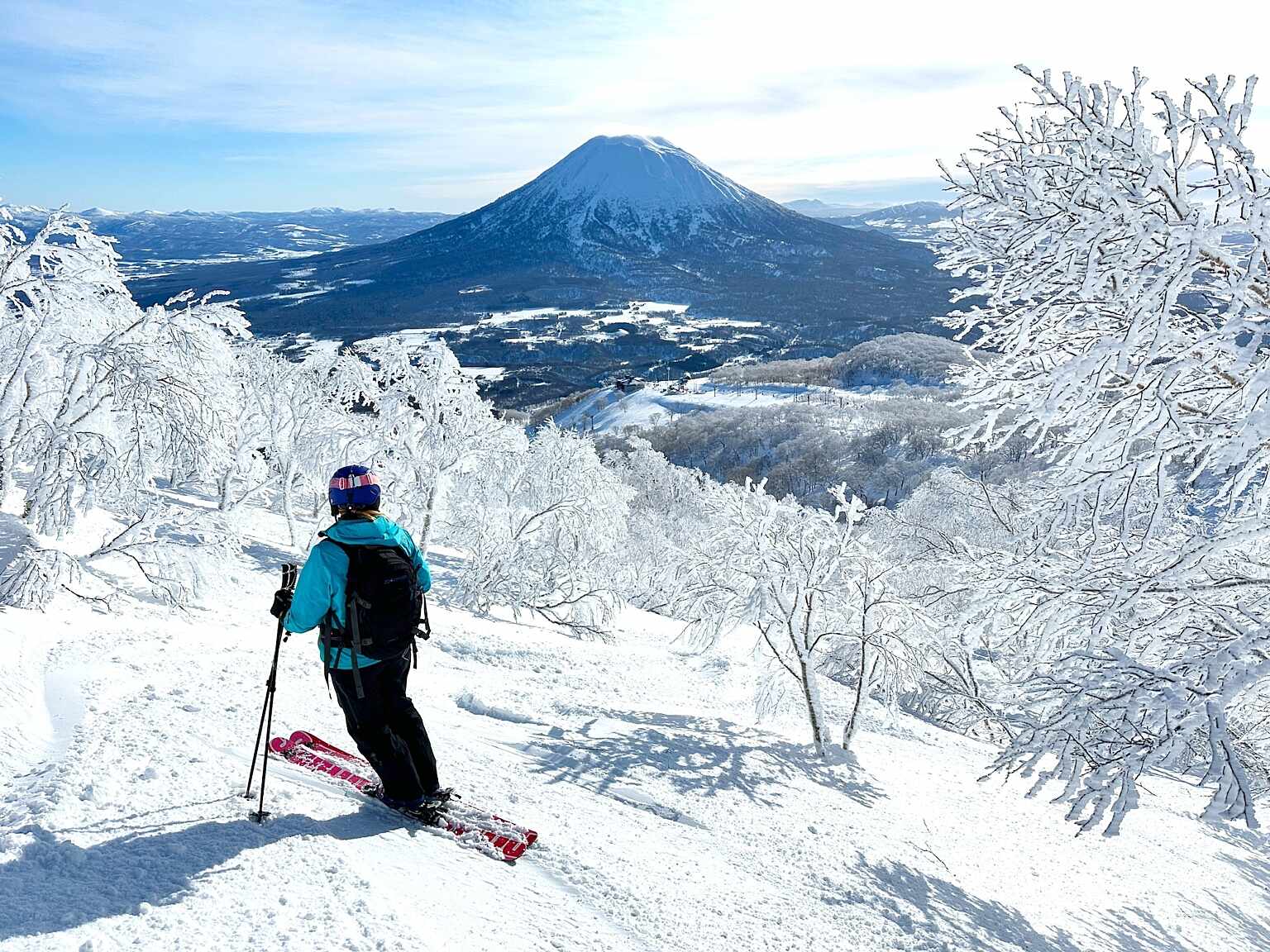
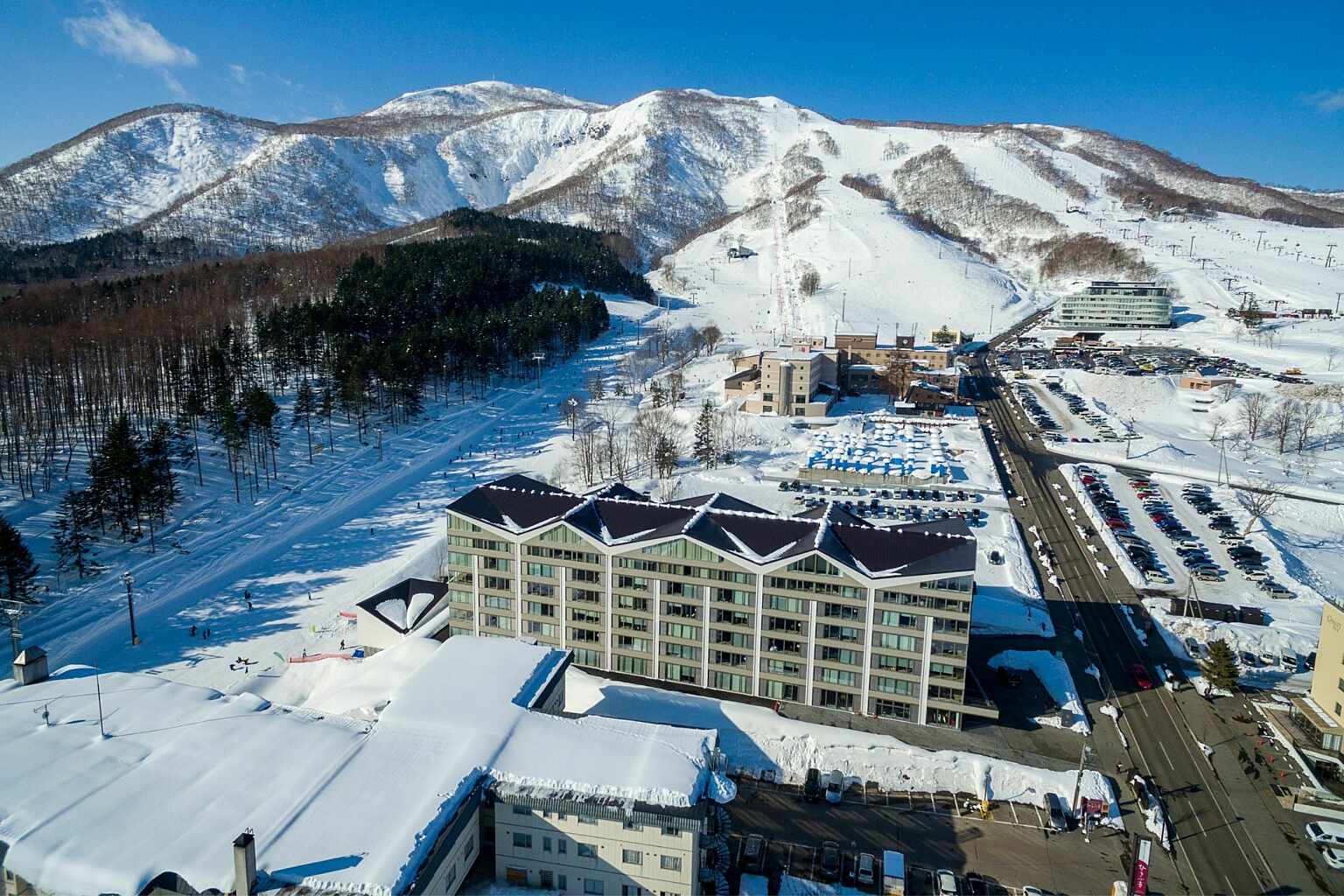
Many of our properties in Hokkaido sit right by the action — ski-in/ski-out, sweeping mountain views, or both.
2. Pack With Intention
Waterproof layers, insulated gloves, proper boots. Temperatures can dip below −10 °C, with wind chill adding its own opinion.
3. Plan Transfers Early
Snow this deep is part beauty, part unpredictability. Pre-arranged transfers = a calm arrival.
4. Chase the Storms
Check forecasts frequently. Big snowfall incoming? Set your alarm.
Flat-light day? Pair the slopes with an onsen.
5. Lean on Local Experts
Lift passes, rentals, hidden dining gems, off-piste guiding — the on-ground teams know the terrain and the tempo.
Stay Updated — Real-Time Snow Reports
Follow the season as it unfolds:
- Instagram: @theluxenomad
- WanderLuxe: dining guides, insider looks, and travel notes
Snow Data:
Let It Snow
Winter 2026/27 in Niseko won’t repeat last year’s script. A very strong El Niño is steering the season towards a shorter, sharper window of powder, concentrated in January and February rather than spread evenly across five months.
Staying slopeside with The Luxe Nomad still means seamless access and local guidance exactly when the snow arrives, whenever that turns out to be.
Ready to plan your trip? Read these next:
Zuma Niseko Is Coming: Everything to Know About Its First Japan Pop-Up
Soak and Breathe: The Best Niseko Onsens Worth the Visit
Where to Ski in Hokkaido in December: Where to Find the Season’s First Powder