
Bevan Colless has been helping skiers, snowboarders and other active travellers get back on their feet for over two decades, shaping Asia Physio into a cornerstone of recovery and wellness in Niseko, Rusutsu and beyond.
When Bevan Colless first arrived in Tokyo in the 1990s, physiotherapy didn’t come into the equation. “I was working in a Roppongi bar called Gas Panic, teaching English for Nova, and coaching track and field — and I was having the time of my life,” he recalls.
Though he returned to Sydney to study physiotherapy — where he met his athlete wife Vanessa, who’s also now a physio — the couple were soon drawn to the Land of the Rising Sun. “We came back to Japan during our university holidays in 1996 and 1997, and snowboarded. After graduation we shipped a container of physiotherapy equipment and had to find a space to open before it arrived. Fortunately we did, in a little 23sqm apartment in Shirokane.”

That leap of faith laid the groundwork for Asia Physio, which has since grown to 13 locations across Japan and Singapore, including a branch in Niseko that opened in 2005. “The first year, we were in ‘The Brick’, a strange building that looked like a giant, upturned red brick. I lived and saw patients up there. It was a bit tough for them to get up two steep staircases, but our patients were in need and thought ‘any port in a storm’, and we made it work.”
Read also: A Complete Hokkaido Skiing Guide and Backcountry Guide
Twenty years later, Niseko Physio retains its hallmark Australian roots in the midst of Hokkaido. “Most of our patients have been looking forward to this special ski trip for a long time, and if they are unfortunate enough to get injured, we take our role helping them in their time of need very seriously,” Bevan explains. Now, with new clinics in ski havens from Hakuba to Rusutsu — and Furano on the horizon — the brand continues to grow, with Bevan at the helm.
We sat down with Bevan to talk about the journey in Niseko, lessons learned, and the future of Asia Physio.
Read also: A Complete Hokkaido Skiing Guide and Backcountry Guide
Twenty years later, Niseko Physio retains its hallmark Australian roots in the midst of Hokkaido. “Most of our patients have been looking forward to this special ski trip for a long time, and if they are unfortunate enough to get injured, we take our role helping them in their time of need very seriously,” Bevan explains. Now, with new clinics in ski havens from Hakuba to Rusutsu — and Furano on the horizon — the brand continues to grow, with Bevan at the helm.
We sat down with Bevan to talk about the journey in Niseko, lessons learned, and the future of Asia Physio.
You established Niseko Physio in 2005. What first brought you here, and how has the scene changed over the last 20 years?
I went to Niseko for the first time in the ‘90s, when a student I was teaching in Tokyo told me that it’s the best place to ski in Japan. I feel really lucky that I heard the word Niseko from him that day. After we opened Tokyo Physio, we went to Niseko every year for our own holidays. From 2003 you started to see and hear more and more Australians, so we thought there could be a need for our services. Prior to that time, I never thought people would come to Japan for a holiday.
In those early years it was almost all Aussies, and these days people come from all over the world. The [level of] wealth and expectations of the guests have greatly increased. I’m not sure the ‘Crazy Rich Asians’ we see now would accept those steep stairs in The Brick!
Read also: Niseko Dining Guide 2026: The Best Restaurants, Bars and Cafes to Book
Expanding from one clinic to 13 locations across Japan and Singapore is a massive achievement. What were some of the biggest challenges and milestones along the way?
In all honesty, it’s been a hugely stressful journey that has left its mark in many ways, but I wouldn’t change it. With the seasonal nature of our business, managing our revenue and cashflow is really hard. Moving into our beautiful new location in the centre of Hirafu was a big milestone, but unfortunately it was in December 2019 and we had to pay full rent for three years of Covid with two months of trading. We are still paying off that debt.
We also moved into a huge and beautiful new location in Hakuba in 2022, and of course last year into The Vale Rusutsu, which has been great. We work closely with the Ski Patrol there, and they are very thankful they don’t have to send people on long drives to Kutchan or Sapporo for most of their injuries.
What do you think sets Asia Physio apart from other physiotherapy providers in the region?
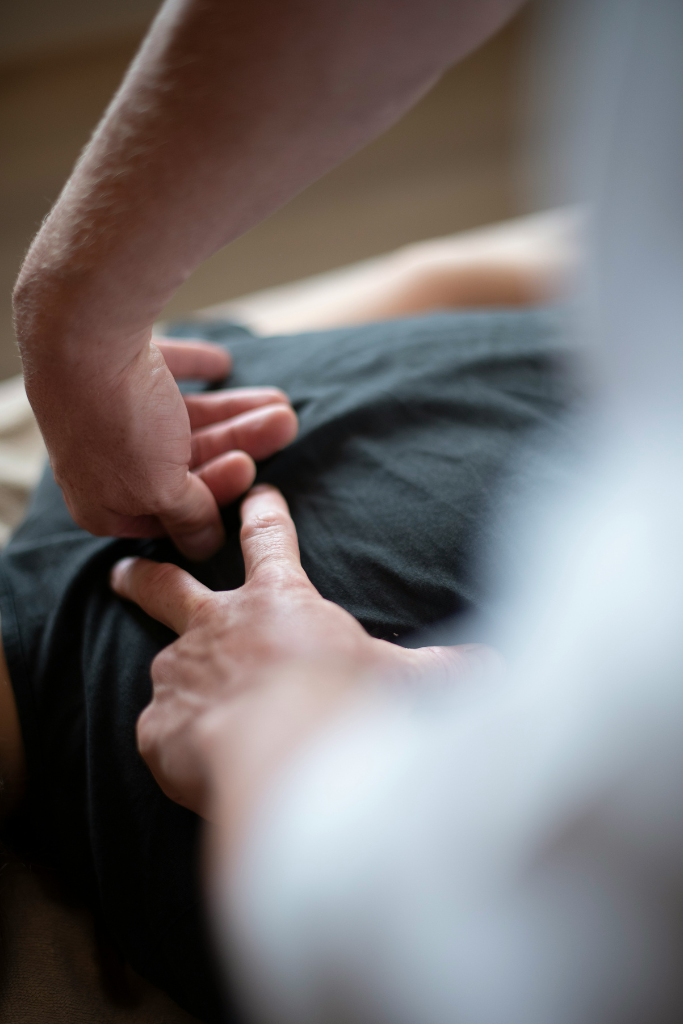
Within the physiotherapy and sports-medicine industry, Australia is regarded as a global leader, so our patients always receive the world’s best care. Our clinic fit-outs are all beautiful now, with state-of-the-art facilities and treatment equipment. Because of our reputation and length of time in the business we attract the best physiotherapists. This year we had five times the applicants for positions.
Our training and management practices are honed from 20 years of operating, [and] with a reset and re-evaluation each year, we now run an extremely tight ship. Our scale allows for full HR service and input from the best doctors and physiotherapists in the world to help ensure our care is the best it possibly can be. I have said there is no better place in the world to rupture your ACL (anterior cruciate ligament) than Niseko.
Read also: Your Guide to Exploring The Slopes of Rusutsu Ski Resort
Asia Physio is known for its international team of physiotherapists. How have you built and maintained a strong culture across so many clinics and locations?
One of our core values is Informal Excellence. With our Australian heritage, with my wife and I and most of our physiotherapists being Australian, we have a relaxed and informal way. But we make sure that never affects our patient care, and we are extremely professional and ethical too. Our staff have also often dreamed of doing this working holiday for years, so we make sure they have a great time, too. Happy and well-trained staff produce happy patients.
How has the role of physiotherapy evolved since you started, and how have you adapted?
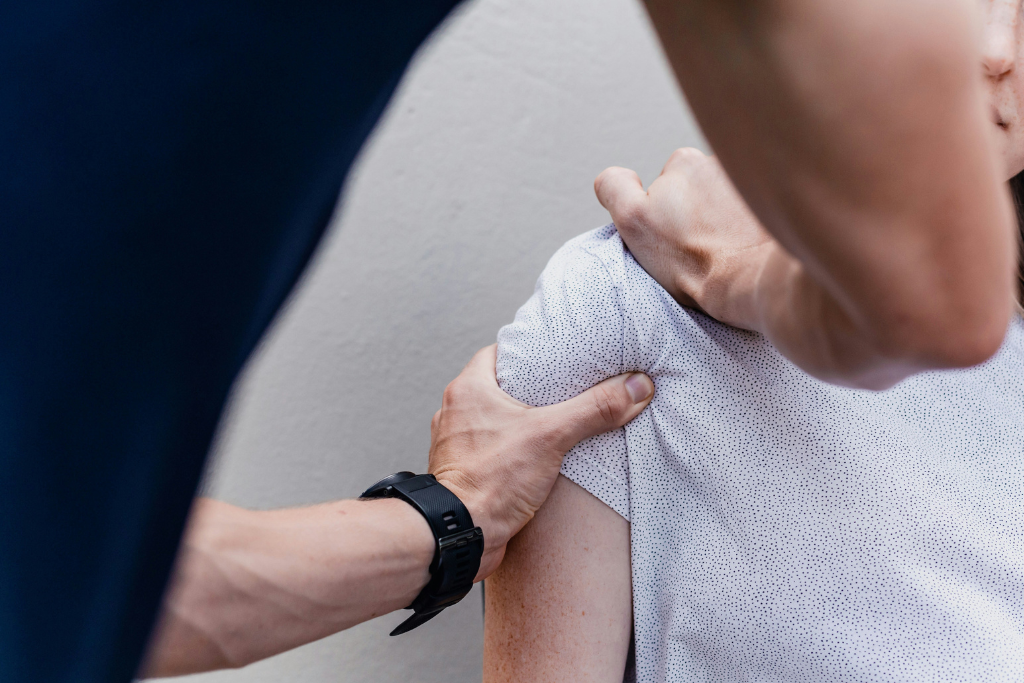
When we started, standard appointment times in the industry were very short, often 20 minutes, and a physiotherapist might see two to three patients at a time. Right from the start we realised that model would not cut it in expat services, as our patients had higher expectations. So we only do 60- or 45-minute one-to-one appointments, which we continue to this day.
Tell us, what’s next for Asia Physio?
We have a contract with the American government providing physiotherapy for their troops in Okinawa, and our physios are quite easily convinced to stay in Japan at the end of the ski season, so we hope to expand in that sector in Japan and Singapore. We will be opening in Furano in 2026, too.
Read Also: Where To Eat, Drink and Be Merry in Furano
Lastly, can you share top tips for staying injury-free?
- Bindings first: “Get your ski bindings fitted by a professional, and don’t overestimate your ability level when they are calculating your DIN settings.”
- Respect fatigue: “Fatigue awareness is huge — most injuries occur under physical and mental fatigue.”
- Go with the fall: “If you are falling and know you’re going down, it’s better to let the fall happen.”
- Stay within your limits: “Don’t attempt ski runs [that are above] your ability and it’s better to avoid jumps.”
- Check safely: “At the bottom of the run, be careful turning around to check on friends. Make sure you’ve completely stopped if you’re intermediate or lower — that’s a common way to catch an edge and get injured.”
Asia Physio has 13 clinics in the region, including a clinic in Niseko and opening in Furano soon
Ready to plan your trip to Hokkaido?
Say Japow: 5 Best Reasons Why Powder Hounds Should Travel to Niseko
Beyond the Slopes: 8 Non-Ski Snow Activities in Niseko
Georgina Wilson-Burnand on Family, Fitness and Finding Her Rhythm in Furano
5 Mount Yotei Winter Spots For The Perfect Photo
Niseko Snow Forecast 2025/26: What to Expect This Japow Season