
Simple and striking — this is the ethos that renowned designer Vincent McIlduff has retained throughout his career. He shares the experiences that honed his eye for design, driving him to build dreamworthy dwellings in Japan and beyond.
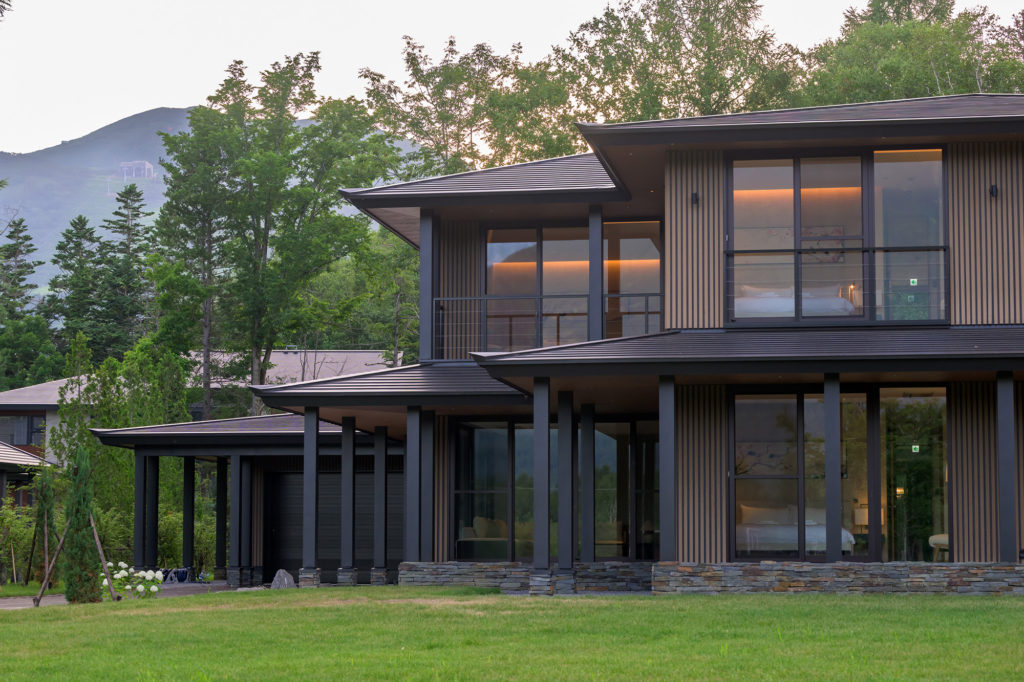
Building a luxurious nest on the snowy mountaintops of Niseko is easier — and a lot more lucrative — than you would expect, says Vincent McIlduff, architect and founding partner of Hong Kong-based firm ALT Design & Construction. Throughout his career, the Irishman has designed and built breathtaking villas across Asia, bringing dreams to life in wood, concrete and stone, then adding finishing touches to interiors that give spaces their soul.
For Vincent, building is more than a job, it’s a passion — one that he was fortunate enough to develop at an early age with his father, who was a master stonemason working on bespoke marble projects for clients including the British Royal Family. After pursuing higher studies in architecture, he established his own name internationally through sheer talent and an uncompromising work ethic.
Planning a visit? Read The Luxe Nomad Founder Stephanie Chai’s Guide To Niseko
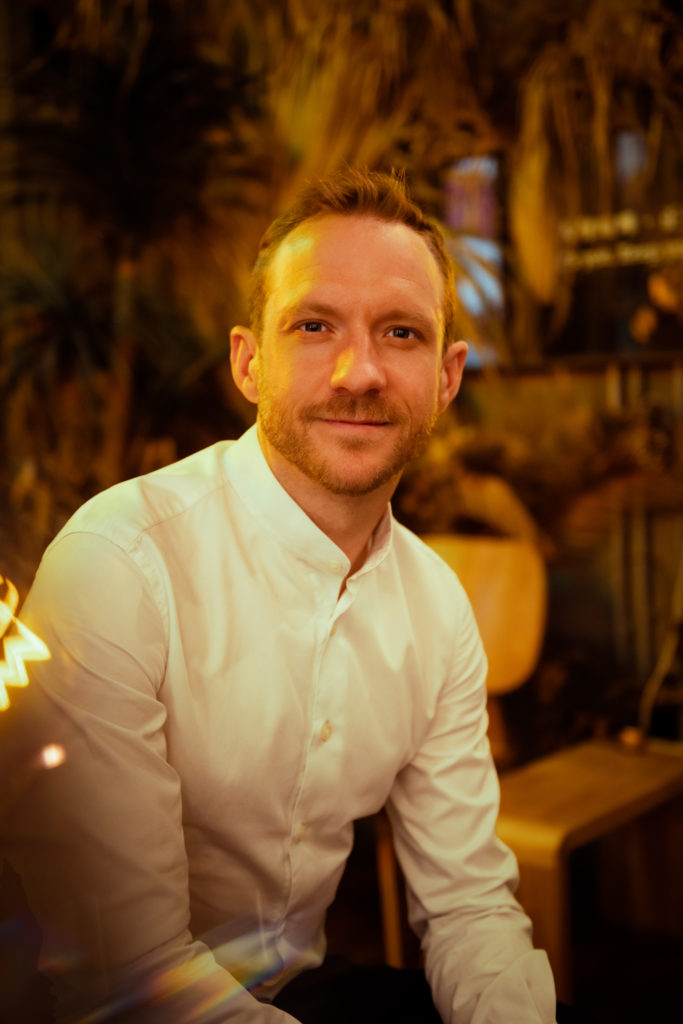
Vincent worked under renowned architect Rem Koolhaas at OMA in Rotterdam and flourished, becoming a lead designer at the age of just 22. There, he further honed his sense for luxury design and functionality as he devised major projects for Prada, collaborating closely with fashion innovators Miuccia Prada and Patrizio Bertelli. His stellar client portfolio since then includes the Taipei Performing Arts Center (TPAC), and luxury properties in Niseko such as Luxe Nomad’s Fenix Furano, Odin Hills and the Keyaki Villa in Ginto.
Now, Vincent’s firm continues to provide seamless, end-to-end solutions for non-Japanese speakers looking to establish their own homes and projects in Japan. Here, he shares a glimpse into his formative years as a designer, his devotion to beauty and practicality, and his experiences working for one of the world’s top luxury-design houses.
Alpine Chic: Want To Invest In Niseko? Read What Jonathan Martin Has To Say First
You discovered your passion for building and design at such a young age, working alongside your father, a master stonemason. What do you remember most about those early days?
My childhood was filled with visits to my father’s factory and workshop, and I cherished every single moment of it. The sights, sounds and smells of those days are etched vividly in my memory. While my brother unwrapped games at Christmas, I was thrilled to get saws and pieces of wood, which my family still laughs about. Looking back, I feel incredibly fortunate to have discovered my passion at such a young age.
When I was around 12, I began working alongside my father, helping him restore antique fireplaces. It wasn’t long before I started designing and crafting my own. For larger projects like those for churches, we often collaborated with architects — though my father wasn’t their biggest fan. He’d frequently say, “They haven’t a clue what they’re talking about,” then ask me to sketch out a detail or a layout that was both easier and cheaper to build.
That experience planted the seed for my interest in architecture. Watching how my father’s business operated inspired me not only to pursue architecture as a career but also to eventually start my own company.
Read next: The Ski Tribes of Niseko: People You’ll Meet On and Off the Slopes
At just 22, you became a lead designer at OMA under Rem Koolhaas. How did that experience challenge or transform your design philosophy?
I was incredibly fortunate to work for Rem. He’s a genius. Working there was intense; during my first year, I didn’t get a single day off, not even weekends. But honestly, I’m not complaining; I loved every second of it. I had the chance to work on astonishing projects and even lead parts of the design process. I can’t imagine any other firm in the world offering opportunities like that.
At OMA, they don’t care about your background or where you’ve come from. If you’re talented, you’re talented, then they’re more than happy to give you responsibilities. That kind of trust and freedom is rare, and it completely shaped how I approach my work.
The biggest lesson I learned there was not to be too precious about design. Don’t be afraid to tear a design apart and start over, or even do it a hundred times. Keep pushing, keep refining, and keep redoing it until you’ve found the best possible solution. That mindset has stayed with me ever since.
What was it like working on Prada projects during your time at OMA?
It was an incredible experience. Miuccia Prada is undeniably one of the greatest designers of all time, and having the privilege to work with her was invaluable. Design meetings were often absolute chaos, but she would sit quietly, observing and analysing everything. Then, when she finally spoke, everyone stopped to listen. Her words were always precise, insightful and exactly what the team needed to hear.
She spoke with simplicity and precision, often describing design as a clear and focused endeavour. I deeply admired that approach, and it’s something I strive to incorporate into my own work today.
Insider Tip: Spring is the Season Niseko Regulars Keep to Themselves — Here’s Why
What sparked the move to Hong Kong and eventually setting up your own company, ALT Design & Construction?
I moved here with OMA, and it didn’t take long for me to fall in love with the city. Something I’ve come to appreciate over the years is just how much luck shapes our lives, and as luck would have it, I quite literally bumped into someone in a bar who mentioned he was looking to build a house in Japan. Naturally, I jumped at the opportunity. That first project became both the professional and financial stepping stone I needed to start my own company.
I was 28 at the time and looking back, I probably wasn’t fully ready to take such a big leap. But one thing life has taught me is that when opportunity knocks, you have to answer. It was one of the best decisions I’ve ever made.
Since launching in 2014, you’ve completed more than 60 bespoke villas across Asia. What distinguishes an ALT Design & Construction project from others in the market?
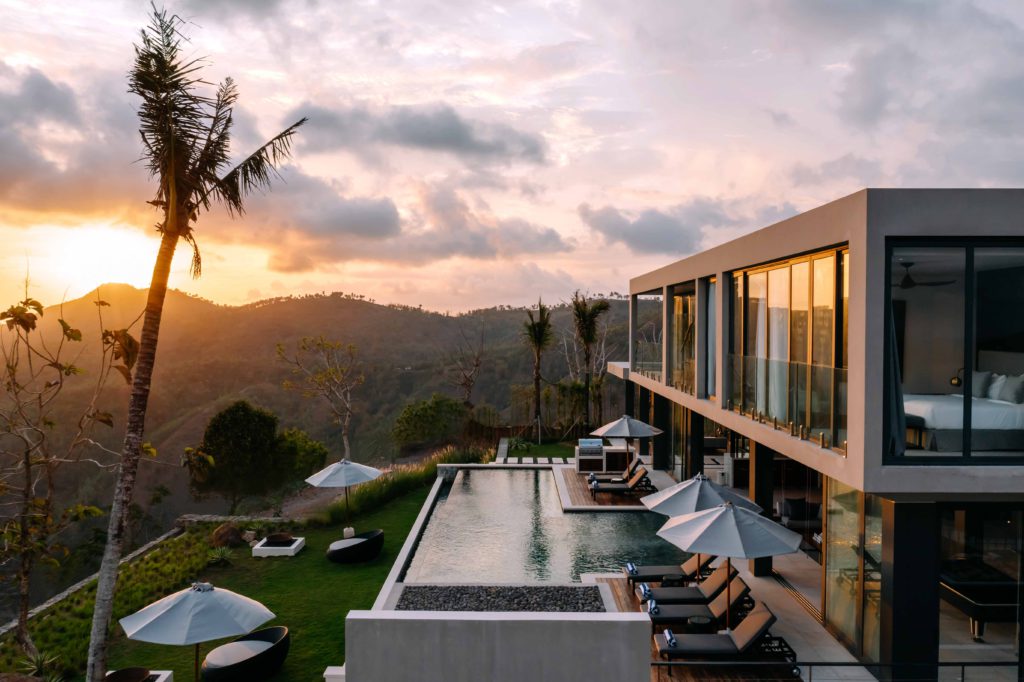
I’ve always carried with me a piece of my father’s wisdom, even after founding my business. He used to say, “Vincent, keep it simple and make it striking.” Those words remain the cornerstone of my design philosophy and shine through in our company’s work to this day.
Beyond design, one key aspect I’ve always prioritised is exceptional customer service. Our value is that we serve as a bridge between cultures and, perhaps even more importantly — between expectations. Our role is to manage the dynamic between modern international clients and Japanese construction teams by absorbing our clients’ demands while collaborating closely with local teams. We work to translate the clients’ needs into a built reality, ensuring the process is as smooth and successful as possible.
We also strive to stay at the forefront of new technology, which has made it so much easier for us to work seamlessly across different countries and design landscapes.
Pretty in Pink: Here Are The Best Cherry Blossom Spots To Know in Hokkaido
How does ALT Design & Construction bridge that gap between striking design and everyday ease of use?
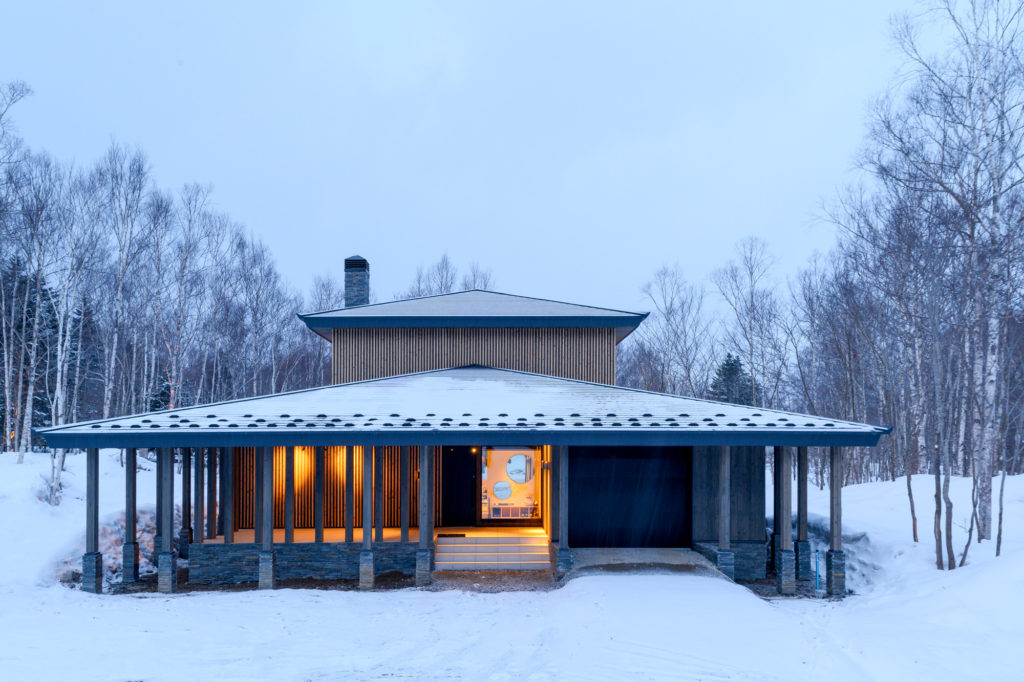
The first thing to focus on, especially in places like Niseko, is functionality. I’ve heard plenty of horror stories about designs that may look great but aren’t practical, like roofs shedding snow directly onto cars, causing serious damage because they weren’t designed properly.
Getting these practical elements right is absolutely critical. That said, with a skilled architect, it’s entirely possible to create something stunning that works beautifully within the local constraints. Functionality and beauty can go hand in hand with the right approach.
Building in Japan is also actually quite straightforward. The country has a much faster and more efficient planning submission process compared to places like the UK or the US. However, as with any major project, the key is to assemble a good team and involve them early in the process.
From your first marble projects with your father to leading ALT Design & Construction today, craftsmanship seems to be a constant theme. How do you weave that artisanal approach into large-scale property development?
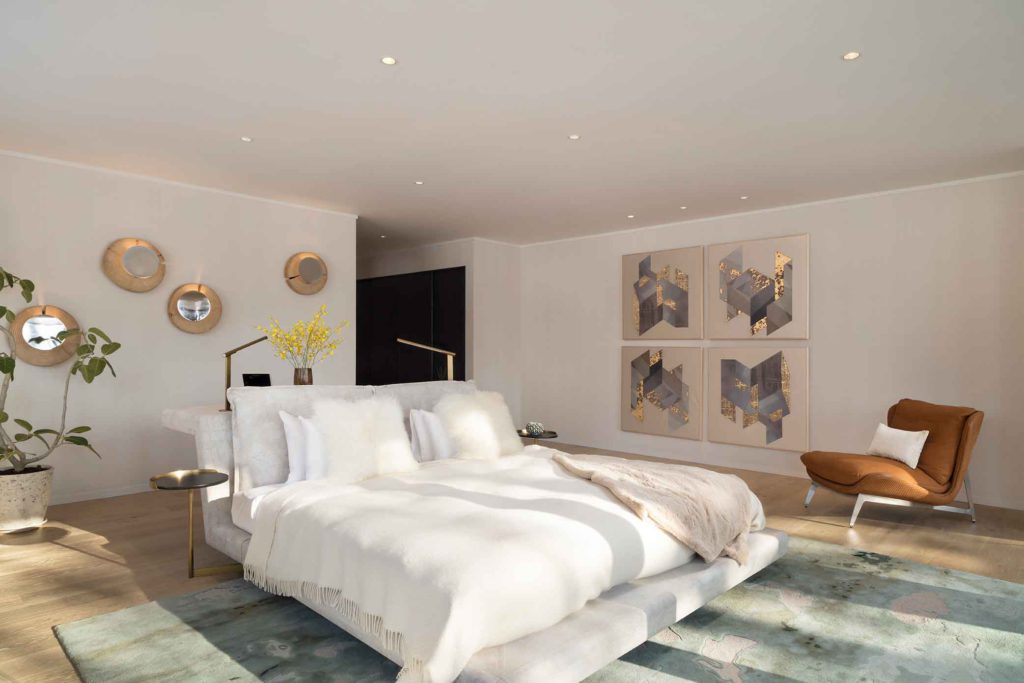
To me, a home should feel like a home, not cold or sterile, as you often see in many modern architectural designs. A home should be warm and inviting, a place where you can truly relax and feel at ease.
One of the best ways to achieve this, even in large-scale properties, is through furniture. There’s nothing worse than sitting on a sofa that’s uncomfortable. It has one job, and it should do it well. Instead of worrying about a minimalist sofa that looks good in a magazine, choose one that you can enjoy every day. Comfort and beauty aren’t mutually exclusive, and they should work together to make your home a sanctuary.
Toddlers in Snow: Postcard from Here: Inside Justine Lee’s Ski Trip To Niseko
Looking ahead, how do you see Niseko — and Japan more broadly — evolving as a luxury property destination? How is ALT Design & Construction positioning itself at the forefront of that lucrative growth?
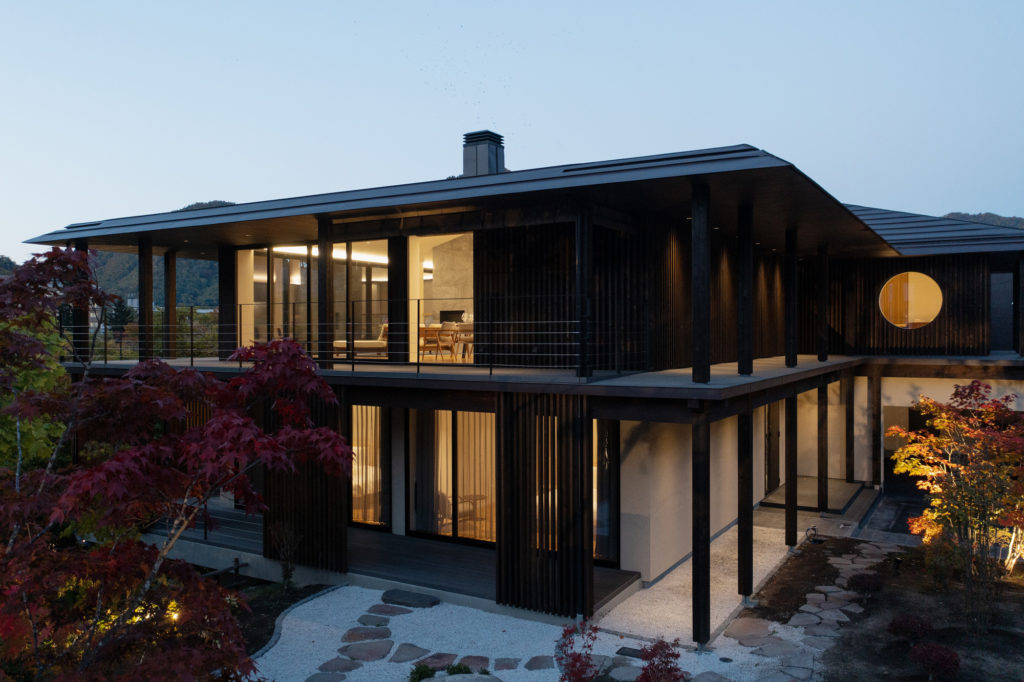
Niseko is booming, and for good reason. It’s a unique destination in Asia. There’s always been a deep love for Japanese culture, but in today’s fast-paced world, it seems to be growing as more people seek an escape or a Zen retreat from the chaos of daily life.
Thankfully, we have been at the forefront of this growth over the past decade. We’re privileged to play a role in helping people realise their dream of embracing this exceptional lifestyle. It’s incredibly rewarding to see those dreams come to life.
Want to feel at home in Hokkaido? Here are a few places to start:
Chalet of the Week: Meigetsu Aki Niseko
A First Timer’s Guide To Niseko: 10 Things To Know
Niseko Dining Guide 2026: The Best Restaurants, Bars and Cafes to Try This Winter