
From picturesque glades to active volcanoes, Hokkaido is the ultimate adventure playground for seasoned skiers and snowboarders.
One of the best things about Hokkaido is the world-class powder accessible straight from resort lifts. As word about the prefecture spread, crowds followed, and those convenient lines now get tracked faster each season. Fortunately, the island holds plenty more terrain to explore, and with the right mindset and guidance, fresh lines remain abundant.
Better still, much of this backcountry sits within easy reach of Niseko, Rusutsu and Furano. Most of the terrain lies either in these areas and the other Shiribeshi mountains to the west, and the surrounding central Hokkaido “powder belt”.
“Neither is better than the other,” says Paul Ellis, founder of the locally based Whiteroom Tours. “The Shiribeshi area gets more snow and stupidly deep days, but it’s harder to hike in and there are more people to track it, so it needs constant top-ups. Central Hokkaido gets less snow, but it’s drier and fewer people ski it, though that’s slowly changing.”
Read also: The Ski Tribes of Niseko: People You’ll Meet On and Off the Slopes
Shiribeshi region: Niseko, Rusutsu and beyond
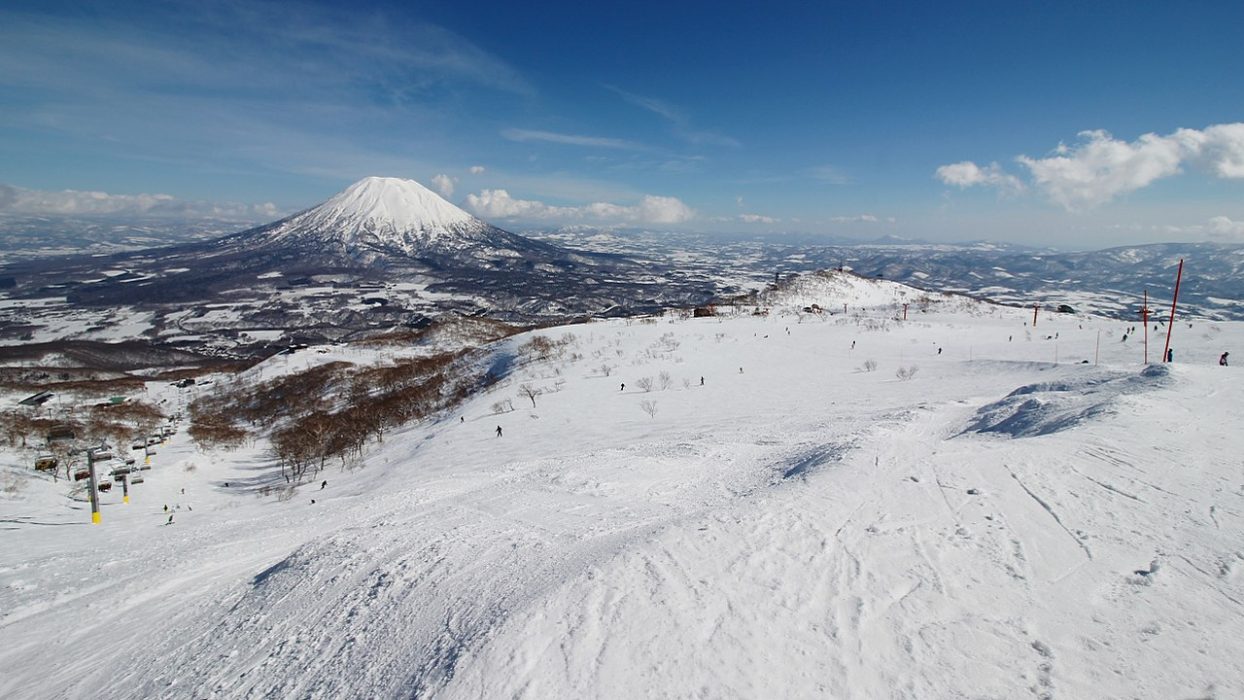
Niseko’s backcountry gate system, unmatched in the region, draws the most powder fiends. The 11 marked gates across the four resorts known as Niseko United — including two in neighbouring Moiwa — mostly access advanced-skier terrain, though lower gates offer a gentler introduction for those taking their first powder turns.
Niseko Key Gates by Area
Annupuri Side
- Gate 1 – L-Ji Gate: Tree runs into Osawa Bowl with a natural gully exit back to Annupuri. Suits strong intermediates upward.
- Gate 2 – Annupuri Peak Gate: Short hike access to Centre Ridge (Naka-one) and back bowl terrain.
- Gate 7 – E-Sawa Gate: In-bounds, hike-free, and ideal for first-time backcountry riders. All lines return to the Annupuri Gondola.
- Gate 8 – Hachi-ban Gate: Tight trees into Osawa Bowl; short but technical runs best for experienced riders.
Hirafu and Summit Access
- Gate 3 – Hirafu Peak Gate: Access to Mount Annupuri’s summit after a 20–30 minute hike. From here, riders can descend East Ridge, North Face (Kita Shamen), Kozan No Sawa (Back Bowl), or West Ridge (Nishi One). Navigation experience is critical.
- Gate 4 – Fujiwara No Sawa Gate: Popular on powder days, offering East Ridge access without the full summit hike — but directly beneath avalanche paths.
Hanazono Side
- Gate 5 – Hanazono Gate: One of the best entry points for beginners to backcountry. Mellow terrain with clear routes back to the lifts.
- Gate 9 – Waterfall Gate: Gladed runs that often hold fresh snow late into the day, with multiple exit options.
Niseko Village
- Gate 11 – Mizuno No Sawa Gate: Storm-sheltered terrain with deep snow. Skiers’ left offers wide powder fields; skiers’ right reveals steeper, more technical lines with cornice risk.
Read more: 5 Mount Yotei Winter Spots For The Perfect Photo
All About Rusutsu
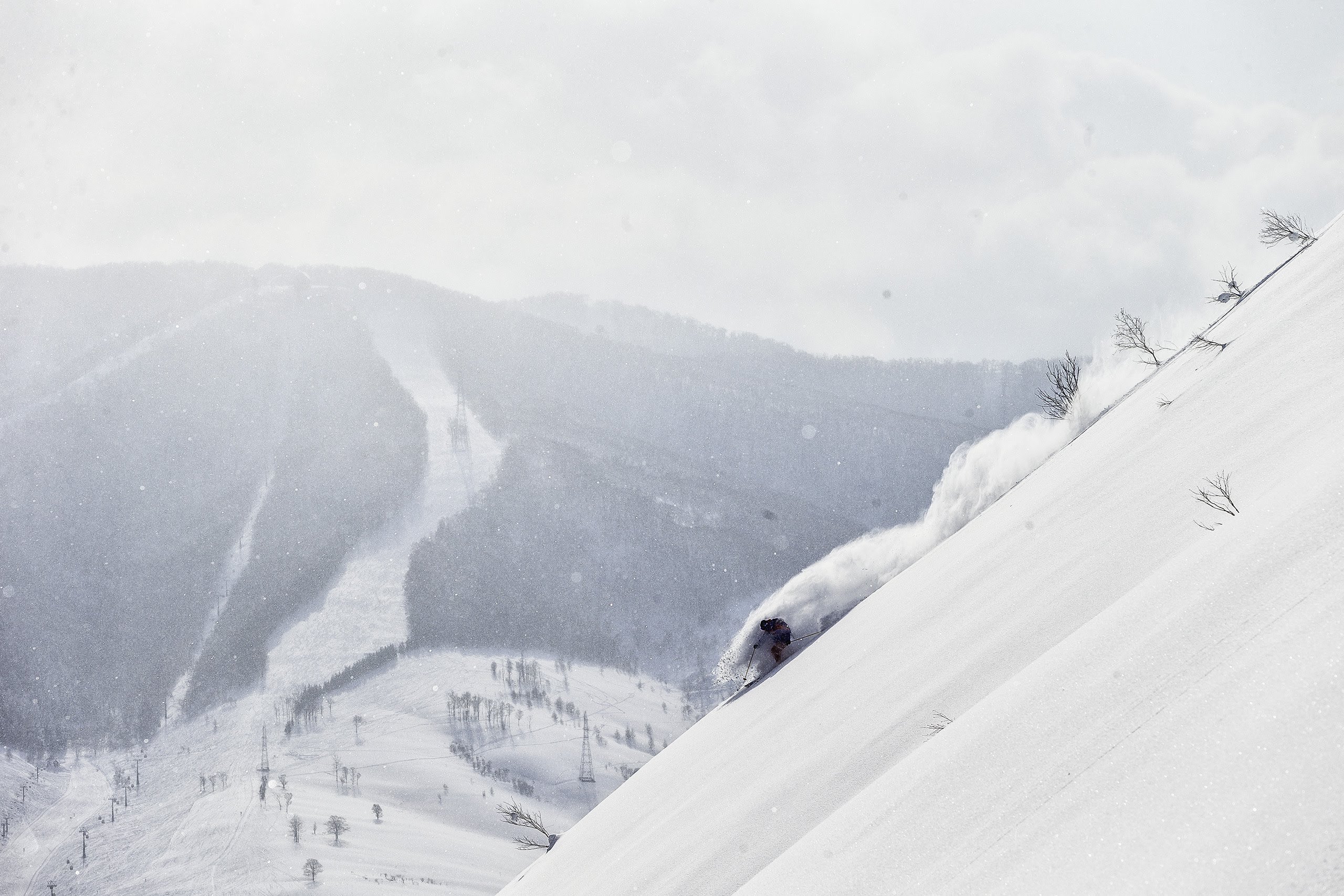
Just 30 minutes away, Rusutsu excels at providing lift-accessed powder. Nearly every line between the Mount Isola lifts funnels back to the high-speed chairlifts. Sugar Bowl, between Mount Isola and East Mountain, is also a draw. “Runs here stay untouched longer than in Europe – it feels like your own accessible yet adventurous, free-ride piste,” says Swiss adventure photographer Ben Tischhauser.
Beside West Mountain is Shiribetsu-dake – pure backcountry with some of the most challenging terrain in the area. Head up there from the car park, or consider a helicopter ride in with Hokkaido Backcountry Club (HBC).
Bear in mind that the same weather responsible for the region’s bottomless powder also makes flying difficult, so catskiing (riding in a snowcat) is your next best engine-powered option. Those with limited backcountry experience can consider Niseko Weiss’ or HBC’s Chisenpuri day trips, while expert riders can look to Rising Sun Guides, Iwanai Resort or HBC’s Shimamaki three-day tours.
Read also: Your Guide to Exploring The Slopes of Rusutsu Ski Resort
For proper ski touring, Revelstoke-based Swedish skier Malou Peterson recommends Nitonpuri, a 20-minute drive from Annupuri. Arrive early, as parking is limited to a tiny clearing. “It has fun, short laps, and you can always find good snow there. Plus, Goshiki Onsen near the trailhead is really good – perfect after skiing all day,” says Malou.
An hour north of Niseko, Kiroro also offers easily accessible backcountry and is the pick of Rising Sun Guides’ director, Andrew Spragg. “It’s one of my favourite places – at least one that I can publicly talk about,” says the ACMG-certified guide.
“The ski touring terrain adjacent to the resort is exceptional and diverse,” he continues. “On bluebird days, there’s alpine skiing around Yoichi; on stormy days, fantastic tree skiing, playful terrain and pillows. If stability is good, incredibly steep terrain is available – and, of course, the whole zone is a snow magnet, with consistent deep-powder conditions.”
For Andrew, there’s one bucket-list experience that tops everything: skiing Yotei’s crater. The 1,898m volcano, nicknamed Ezo Fuji for its resemblance to the real Fuji, is a five- to eight-hour hike up – worth it not only for the crater powder, but also for one of Hokkaido’s longest top-to-bottom descents.
Read also: Rusutsu Dining Guide 2026: The Best Local Spots To Try This Winter
Central Hokkaido: Furano and the “powder belt”
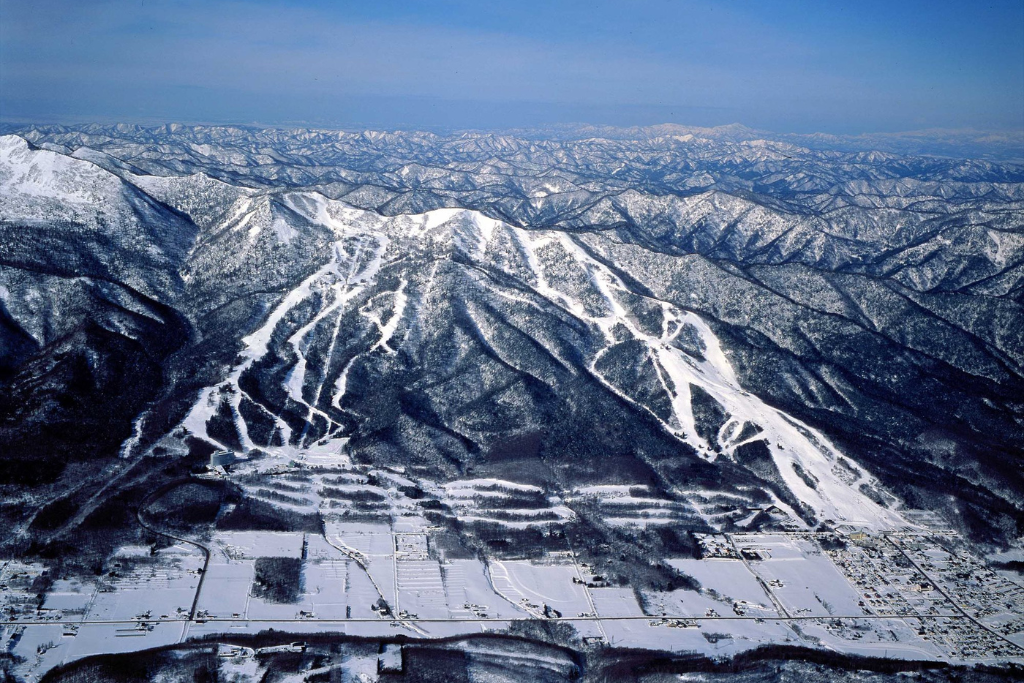
This region once played second fiddle to Niseko, but record international arrivals now flock here for the Hokkaido Powder Belt: Asahidake to the north, Furano and Tokachi-dake in the centre, and Tomamu and the rest of the Hidaka range to the south.
“Each area catches different weather systems, so if one area doesn’t have fresh snow, another generally will. There’s so much terrain that [you’re guaranteed always to] find good conditions,” says Paul Ellis. “I feel there are more areas to explore here.”
It’s a sentiment Malou Peterson shares, despite living in another powder capital herself. “Furano has fun, steep terrain and deep powder, which is a combination that’s hard to beat. There are fewer crowds to the north, I love the volcanic mountains, and some of my favourite onsens are here,” says the Revelstoke resident.
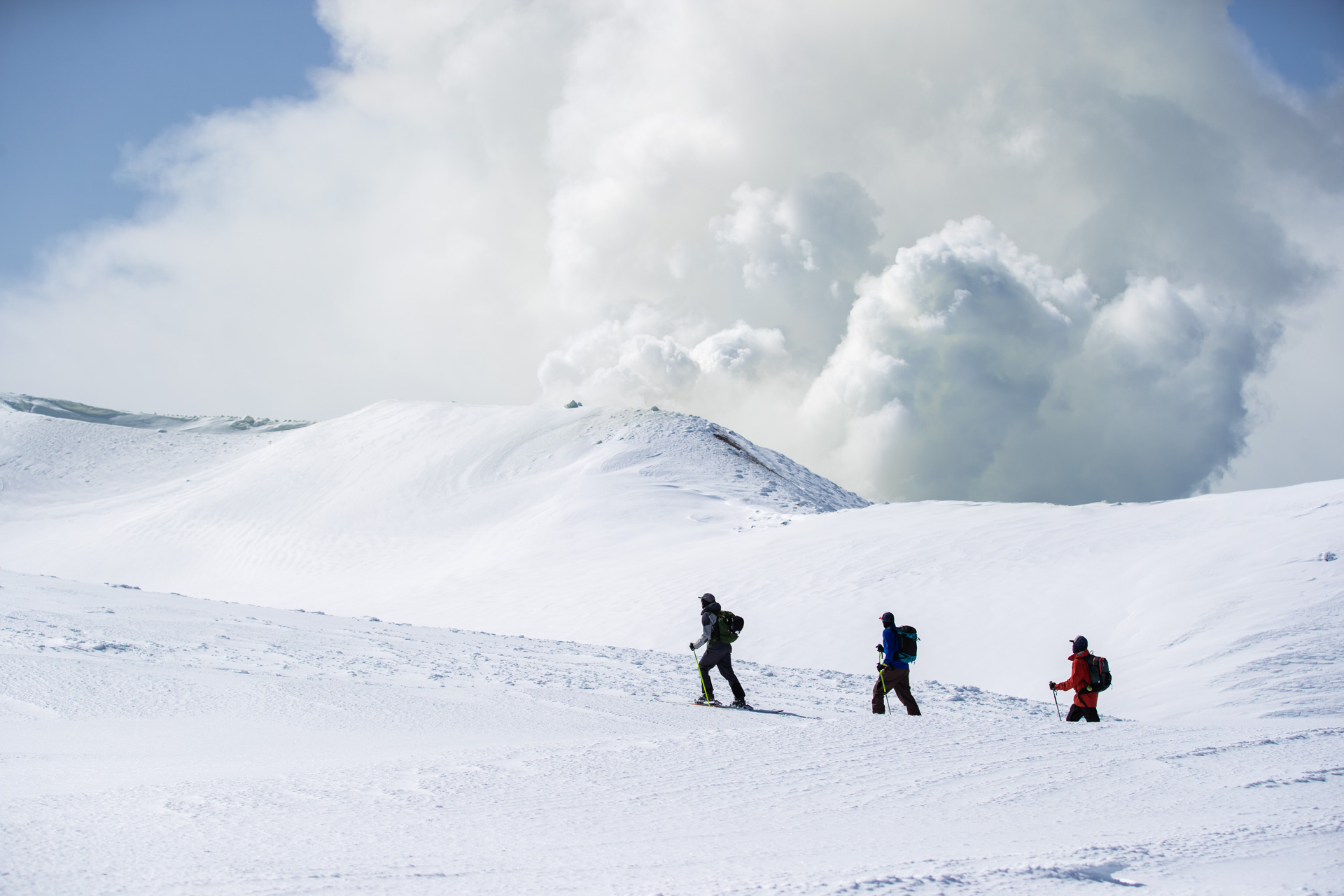
“Touring up a volcano, past craters and geothermal vents, is one of the most magical ski days you can have in Japan,” says Ben Tischhauser.
For mellower outings, Paul recommends Tomamu and Kamui for their low-angle glades. But Tokachi-dake, just 45 minutes from Furano, stands out as one of Hokkaido’s best and most accessible backcountry zones. Paul describes it as having “intermediate to advanced terrain, and a lifetime of terrain to explore.” As plenty of onsen lie nearby, a post-tour soak is the perfect way to recharge before conquering another peak.
Read Also: Where To Eat, Drink and Be Merry in Furano
Safety first
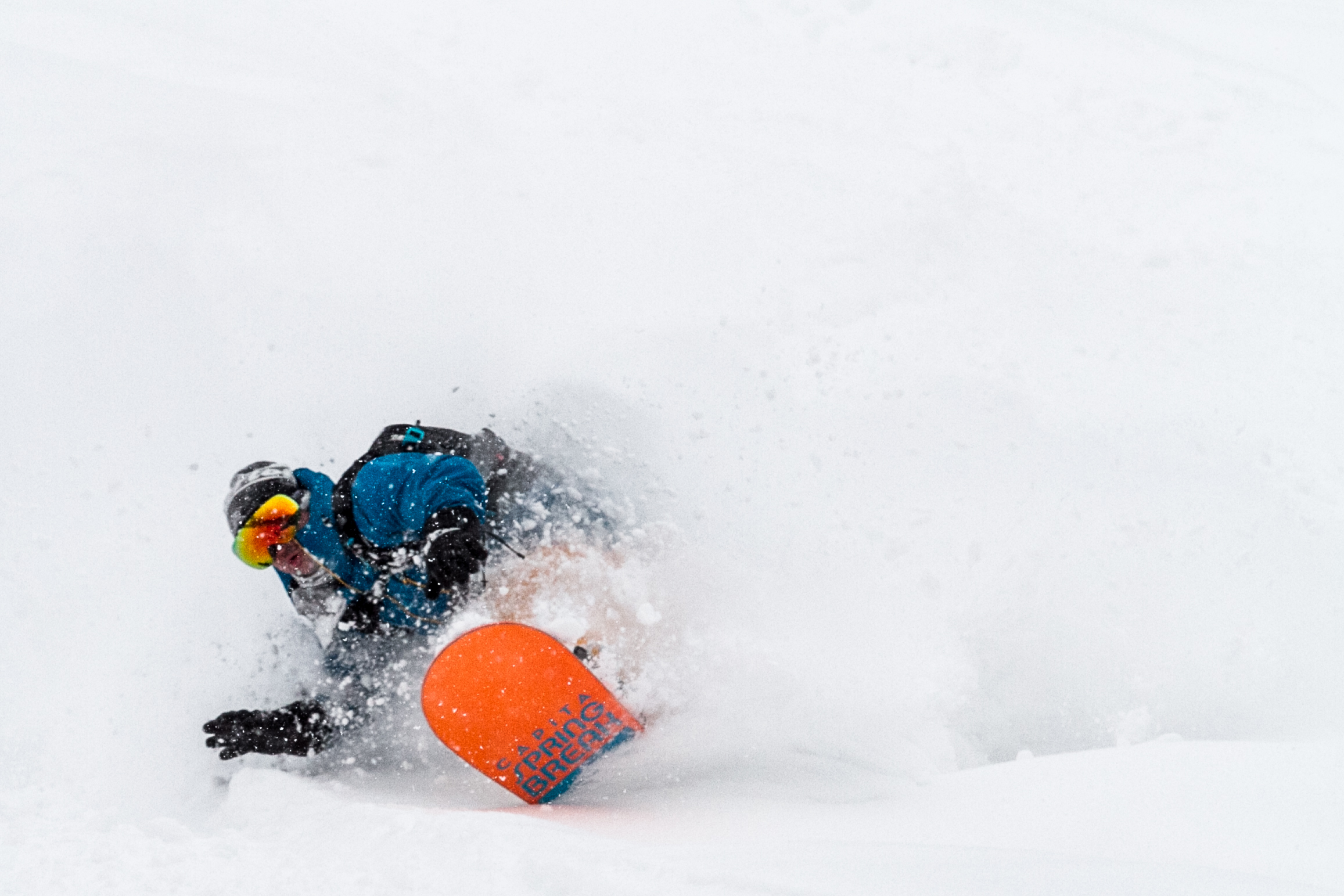
Accessible backcountry doesn’t mean safe backcountry. Beyond resort gates lie uncontrolled terrain that requires skills in avalanche assessment, snowpack analysis and terrain-reading. If you don’t know how, hire a guide.
Skiers should handle variable off-piste conditions confidently before venturing out. Avalanche skills training and wilderness first aid are also essential – both Rising Sun Guides and Whiteroom Tours offer courses.
Even experienced riders benefit from guides. On week-long trips, local knowledge means you’ll get fresh lines daily instead of wasted powder days. Rising Sun and Whiteroom employ accredited mountain guides with first-aid and companion-rescue training – critical when mountain rescue can take a long time to arrive.
The backcountry rewards preparation. Get trained, go guided or partner wisely – then enjoy some of the world’s best powder with confidence.
Read also
Niseko Dining Guide 2026: The Best Restaurants, Bars and Cafes to Book
Niseko Snow Forecast 2025/26: What to Expect This Japow Season
Say Japow: 5 Best Reasons Why Powder Hounds Should Travel to Niseko